

Capacity range: 20 RT – 2,500 RT
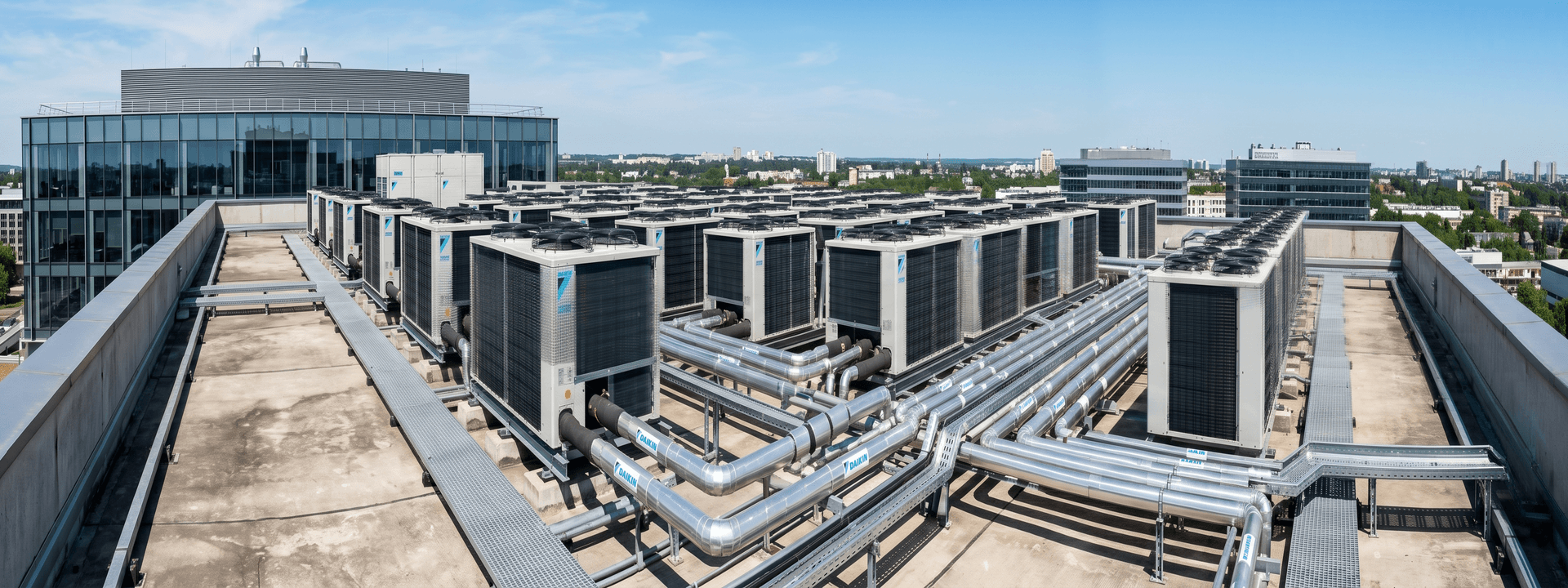
Industrial Chiller
System
System
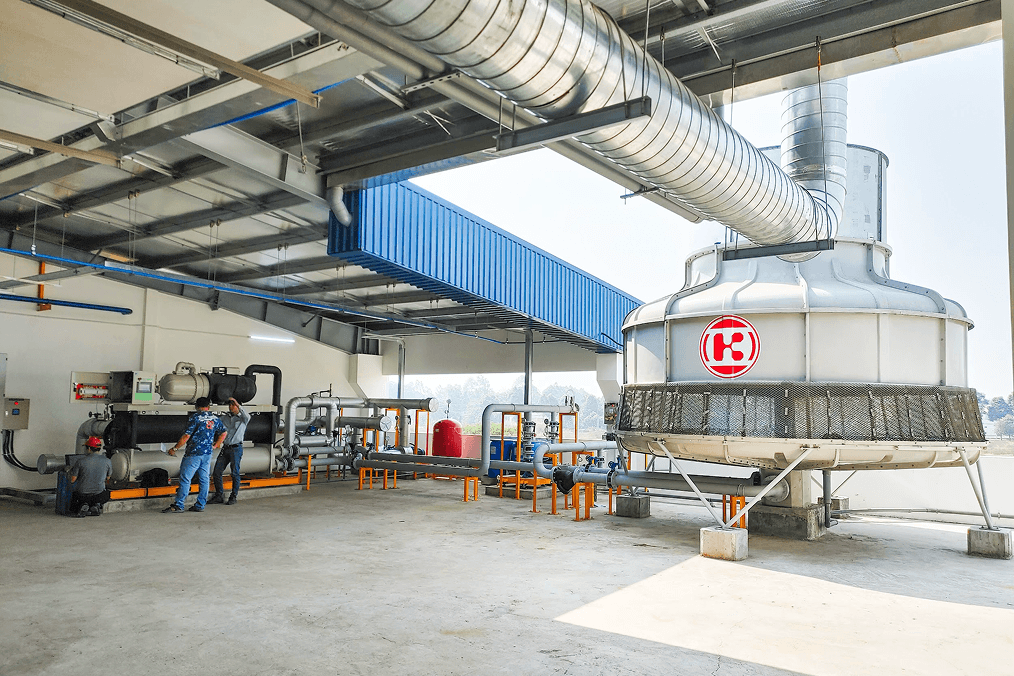
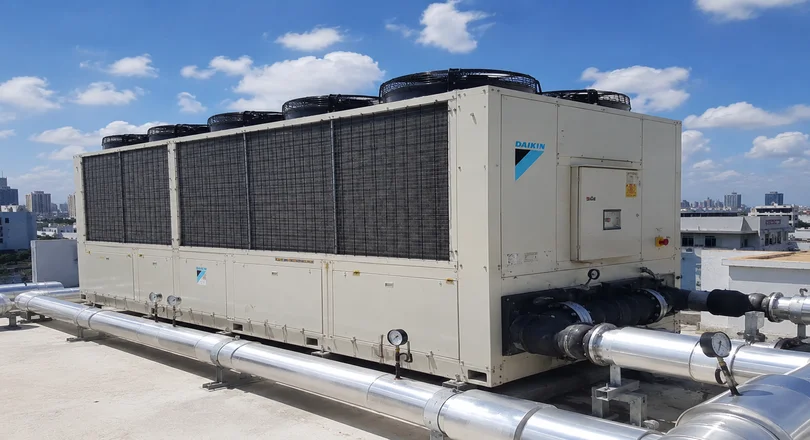
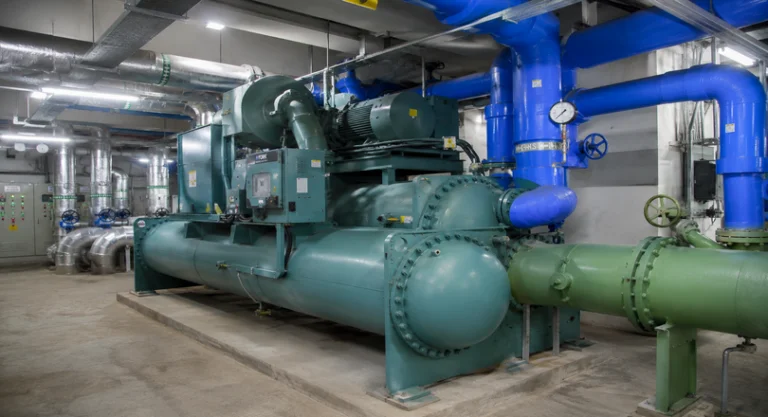
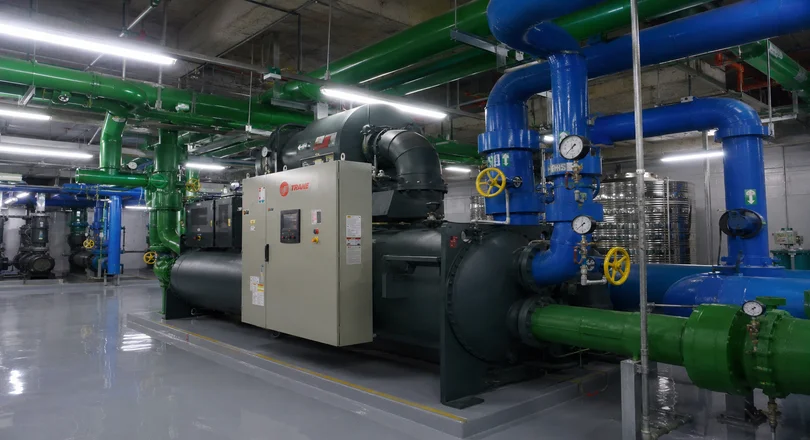
Chillers are at the heart of large-scale HVAC systems, providing continuous cooling for complex developments, hospitals, and industrial facilities with capacities ranging from several hundred to over 2,500 RT. Their strong part-load performance and long-term energy efficiency make accurate system design and equipment selection critical to achieving the right balance between CAPEX (capital expenditure) and OPEX (operating expenditure).


Applications: Factories, shopping malls, hospitals, large building complexes

Selection criteria: Cooling load (RT) | Cooling method: Water-cooled or Air-cooled | Compressor type: Centrifugal, Screw, or Scroll | Efficiency: COP/IPLV | Refrigerant: R-134a, R-1234ze, or R-513A | Certification: AHRI 550/590 or Eurovent.
VRV/VRF Air-Conditioning System
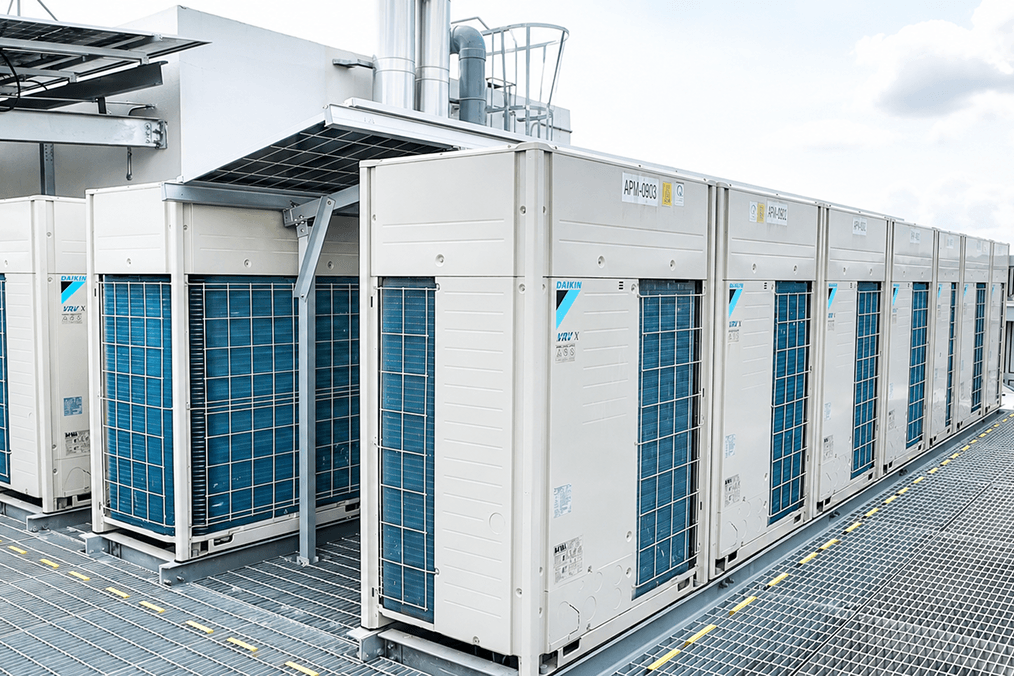
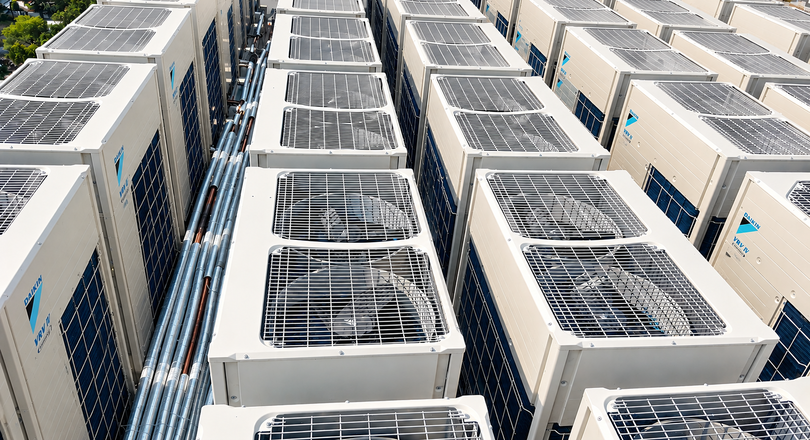
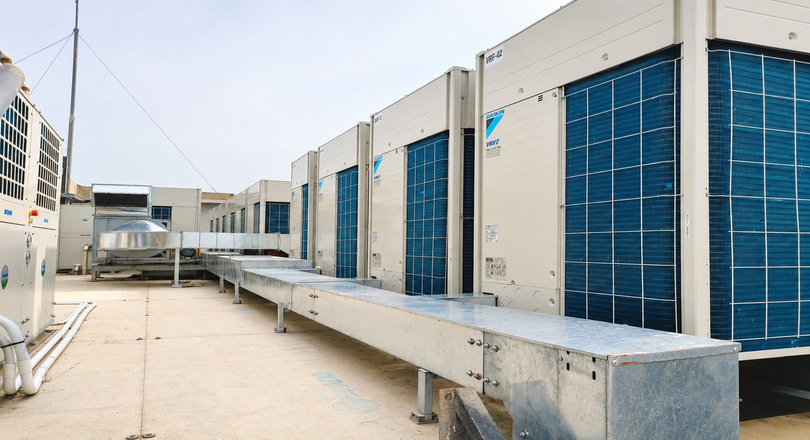
VRV/VRF systems provide independent zone control from a single outdoor unit, making them well suited to buildings with varying operating schedules or where greater flexibility is required. Inverter technology continuously adjusts system output to match actual cooling demand, improving energy efficiency compared with fixed-speed systems.
Capacity range: 4 HP – 128 HP (supports up to 64 indoor units per outdoor unit combination)
Applications: Hotels, offices, commercial buildings
Selection criteria: Building layout | Number & location of indoor units | Efficiency: SEER / SCOP | Refrigerant: R-410A / R-32 | Maximum refrigerant piping length | System integration: BMS / BACnet.
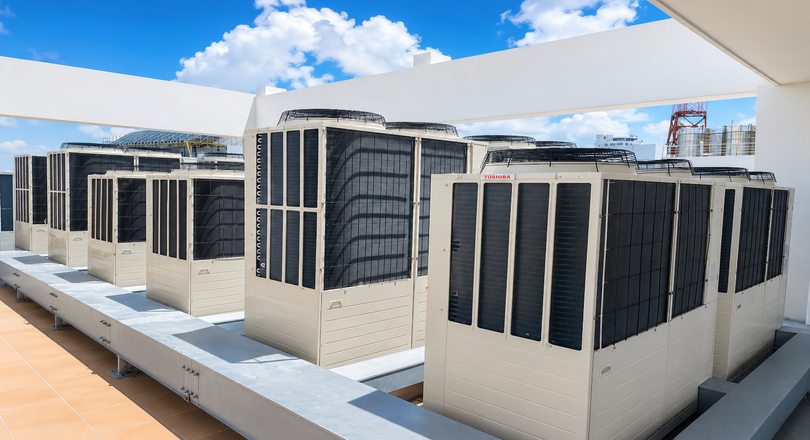
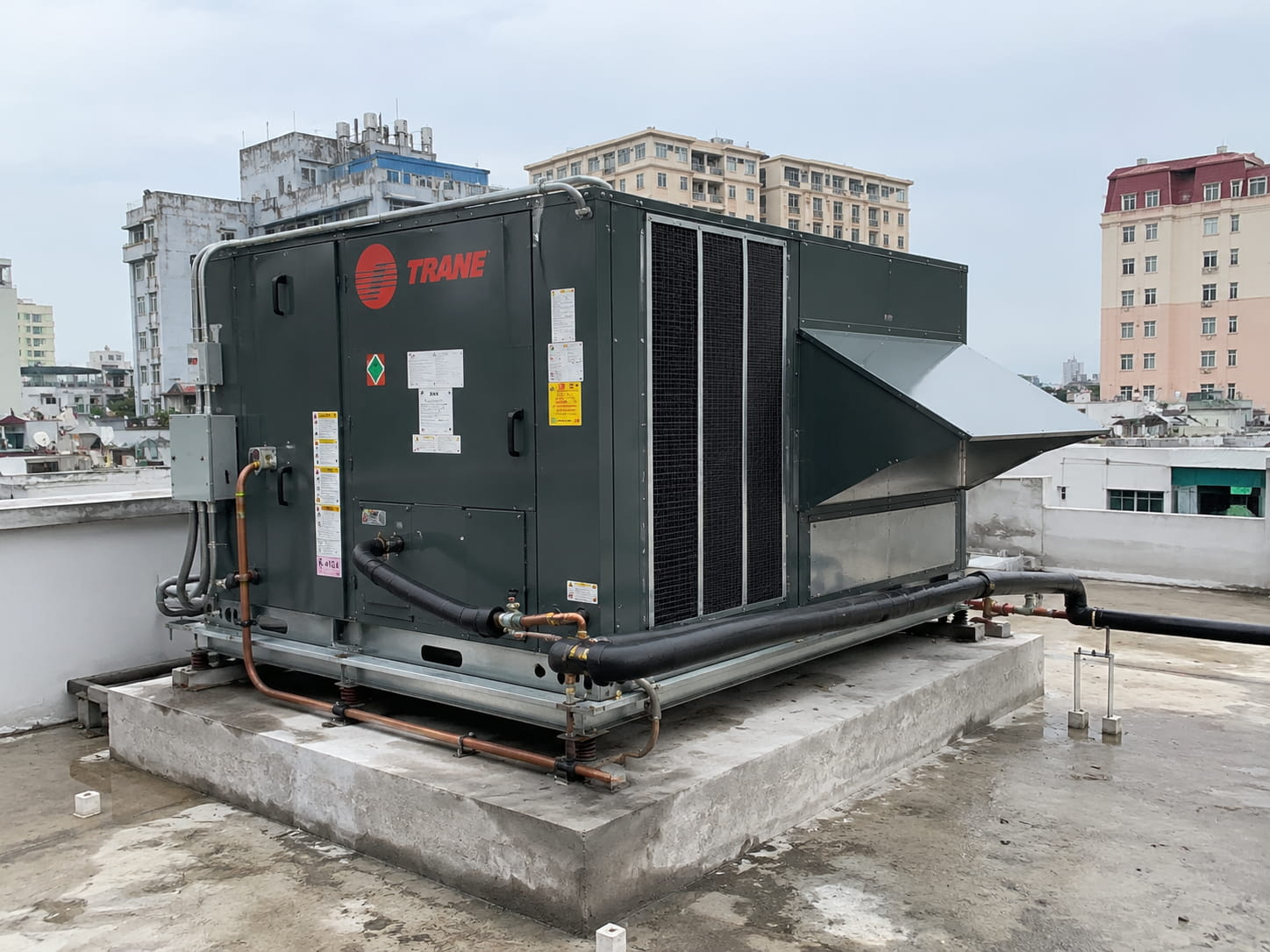
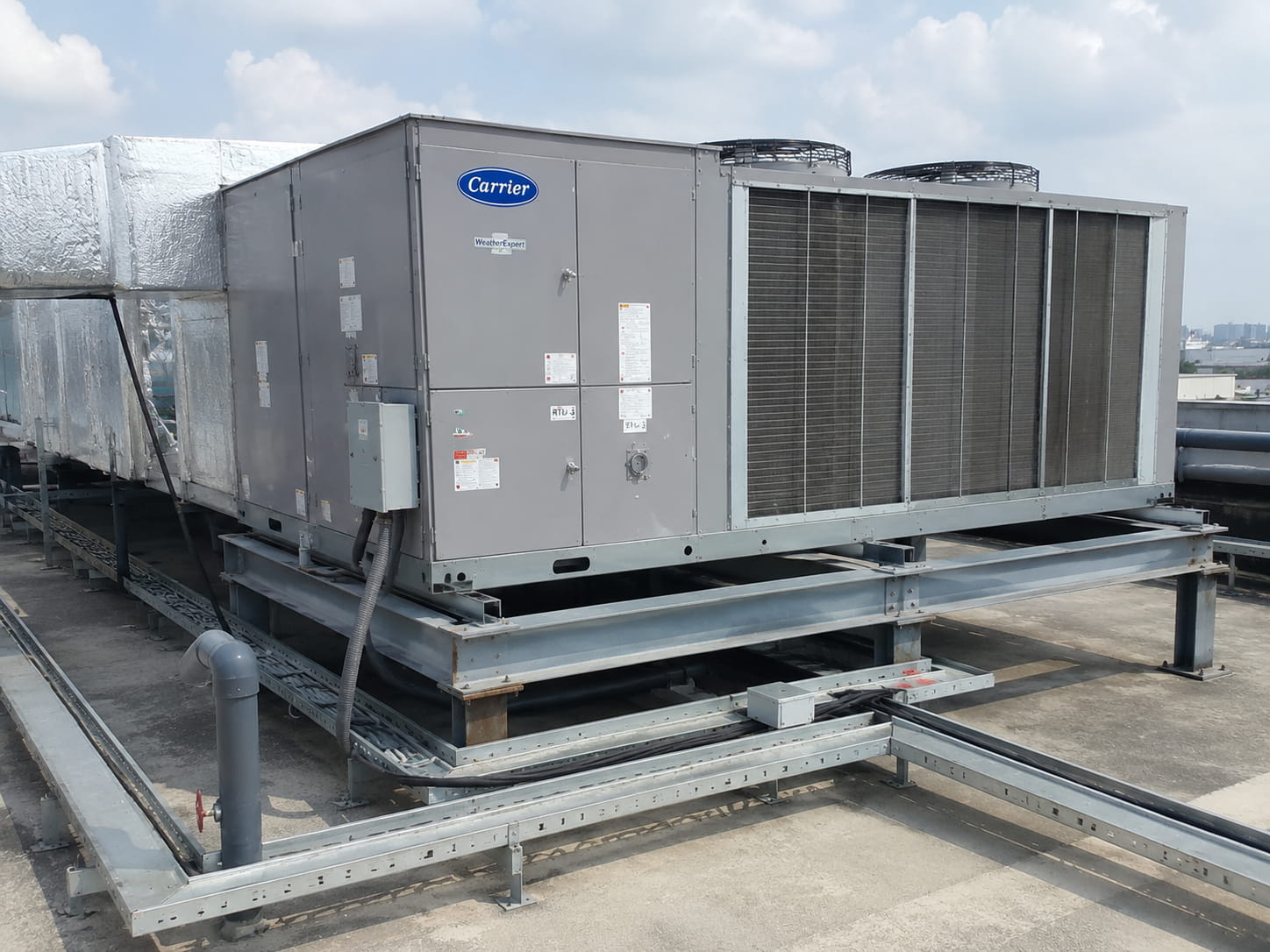
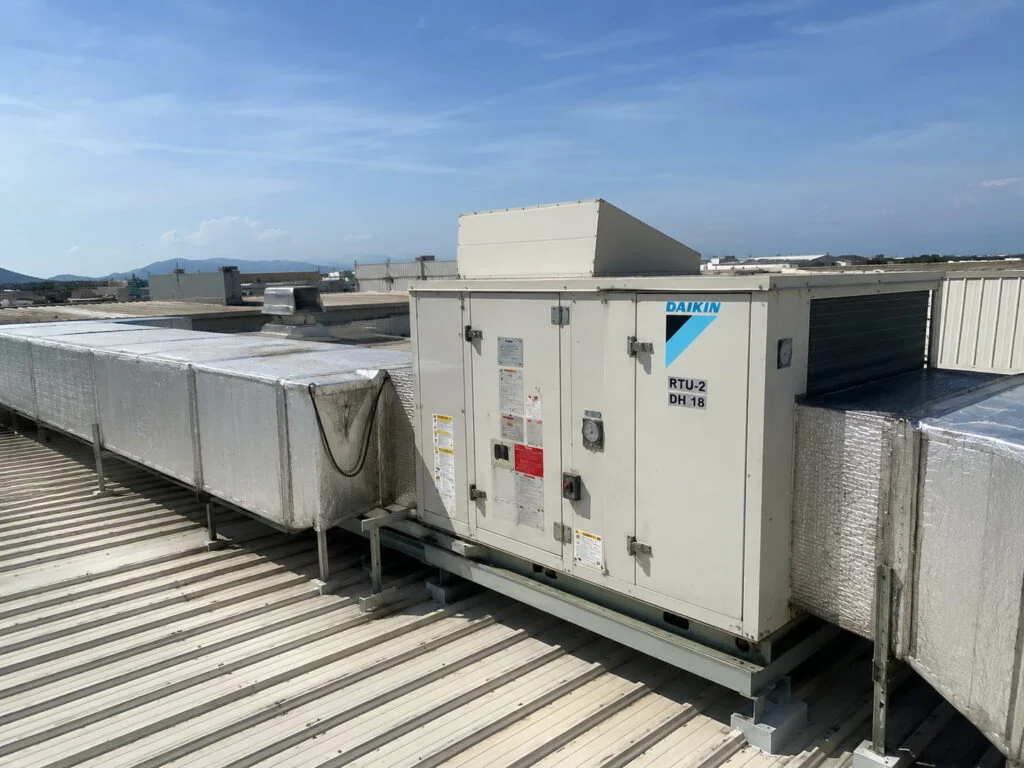
Packaged Air Conditioners / Rooftop Units (RTUs)
Packaged air-conditioning units are factory-assembled, integrating the refrigeration and air-handling components within a single unit. They are well suited to factories, logistics facilities, and retail chains where fast installation, straightforward maintenance, and adequate rooftop space are key considerations.
Capacity range: 5 RT – 180 RT (single cluster or parallel configuration)
Applications: Factories, supermarkets, logistics centers
Selection criteria: Installation Location: Rooftop or ground level | Building cooling load | Efficiency: Minimum EER | Integrated economizer for energy savings | Refrigerant: R-410A / R-454B | Standard: AHRI 340/360.
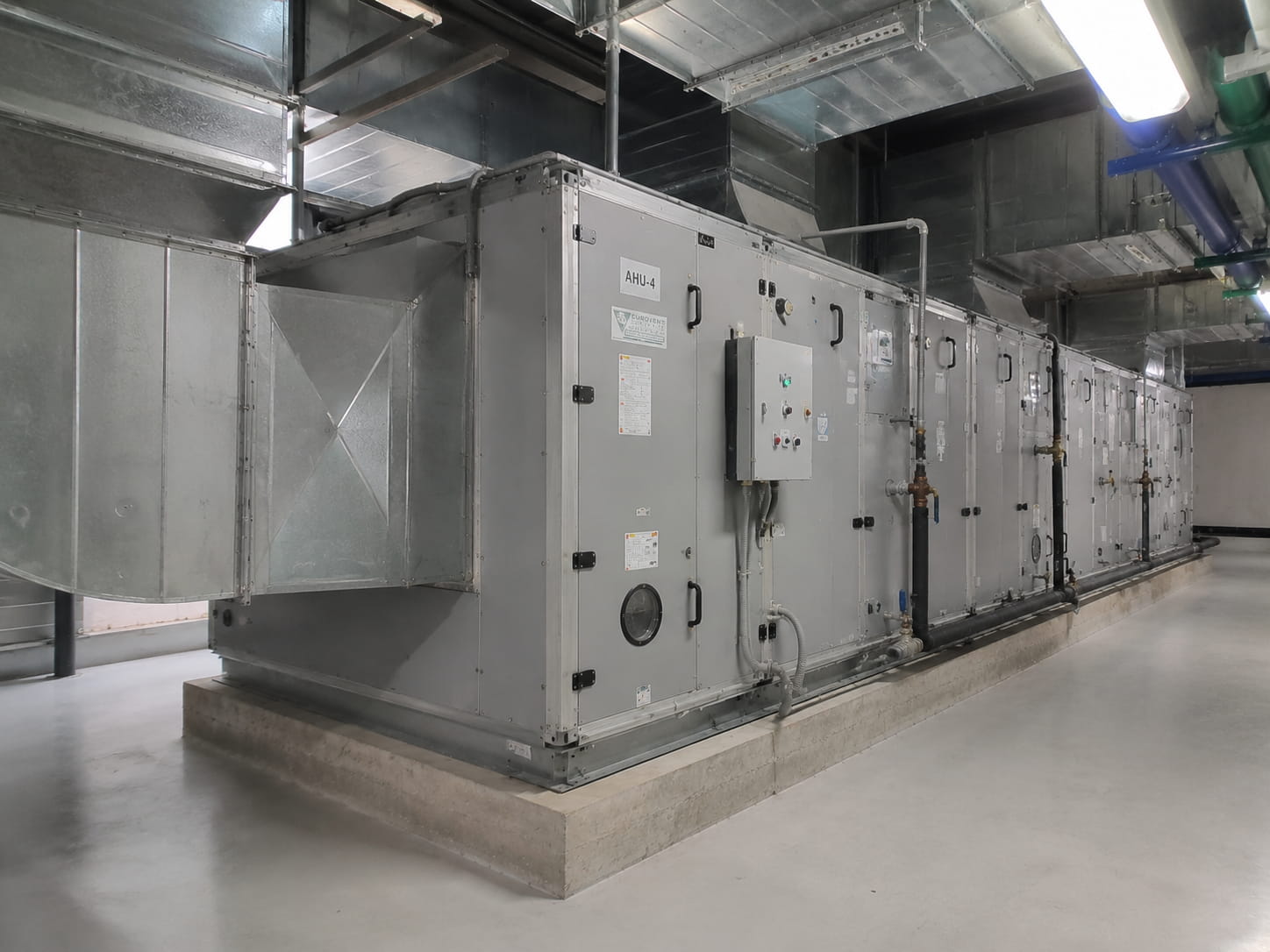
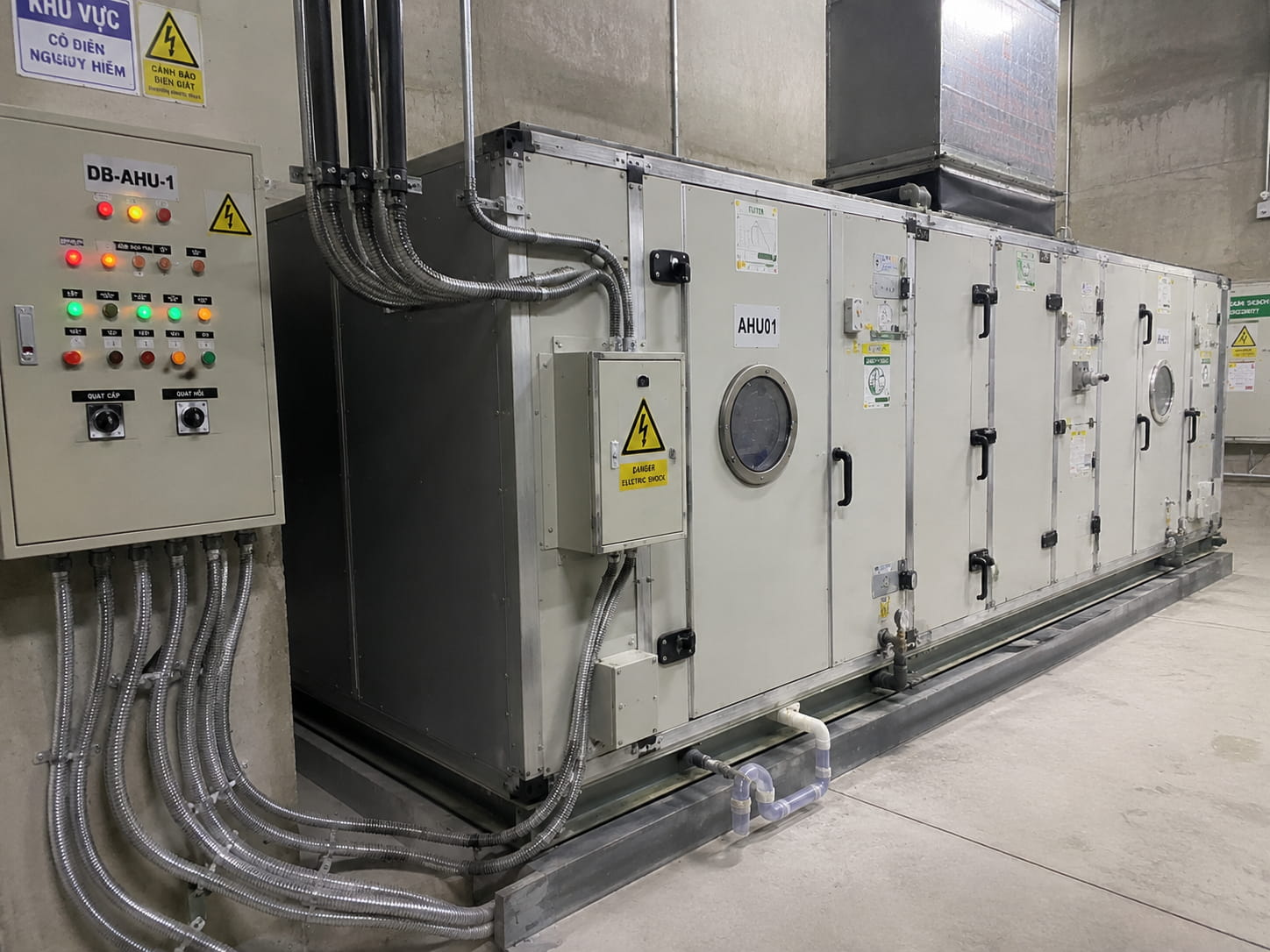
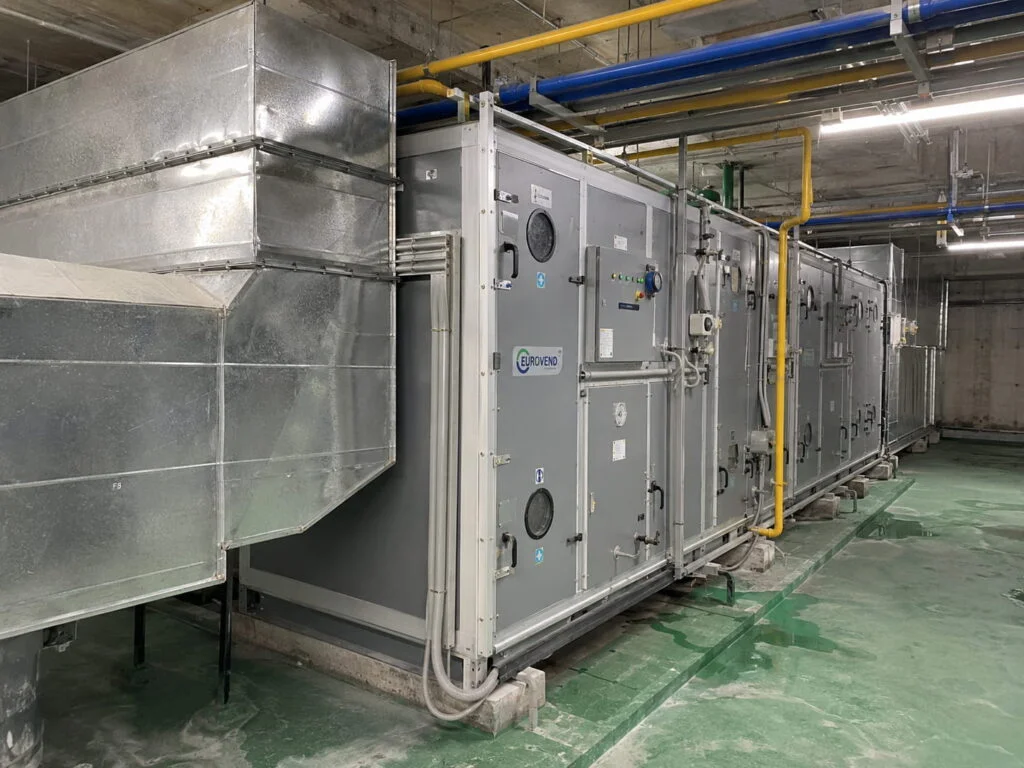
AHU / FCU – Air Handling & Fan Coil Units
AHUs and FCUs are key air-side components of central HVAC systems, providing conditioned air to occupied spaces through temperature control, air filtration, and, depending on the system configuration, humidity control and fresh-air supply. From commercial offices to ISO-classified cleanrooms, each unit can be configured to meet the specific environmental requirements of its application.
Capacity range: FCU: 200 – 3,000 CMH | AHU: 1,000 – 60,000 CMH | PAU: Configurable to meet fresh-air requirements.
Applications: Factories, clean rooms, commercial buildings, ventilation systems
Selection criteria: Indoor environmental control: Temperature, humidity & room pressure | Filtration: MERV, ISO 16890, or EN 1822 | Fresh-air requirements: ASHRAE 62.1 or TCVN 5687 | Specific hygiene requirements: Cleanrooms or operating rooms.
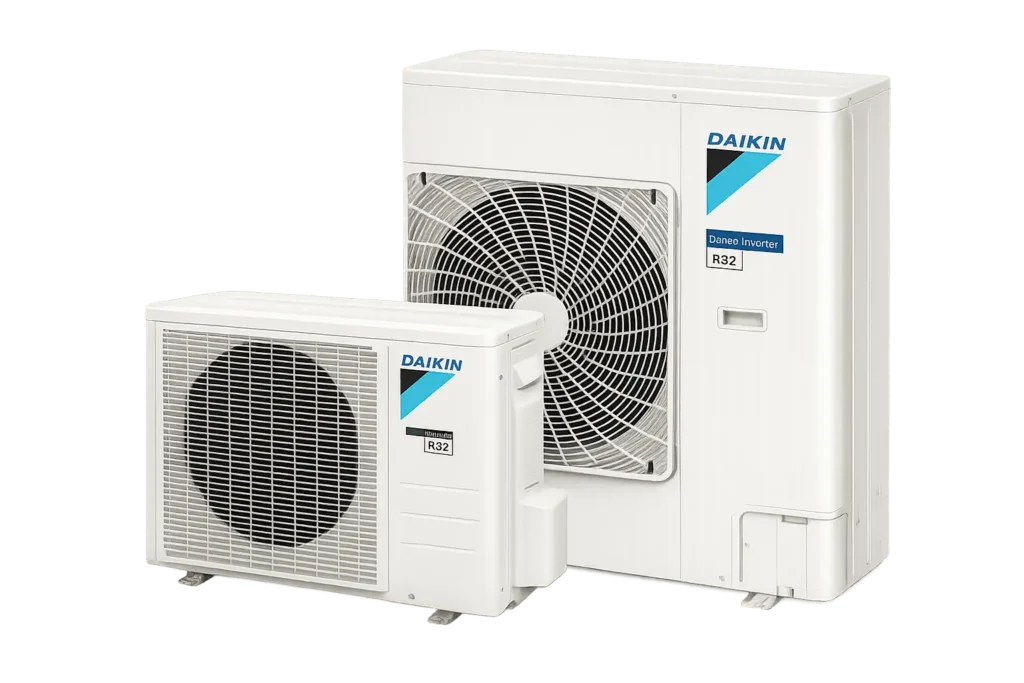
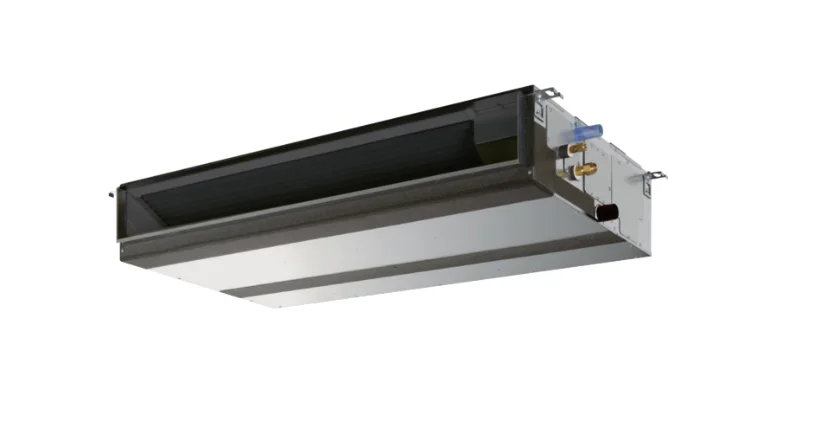
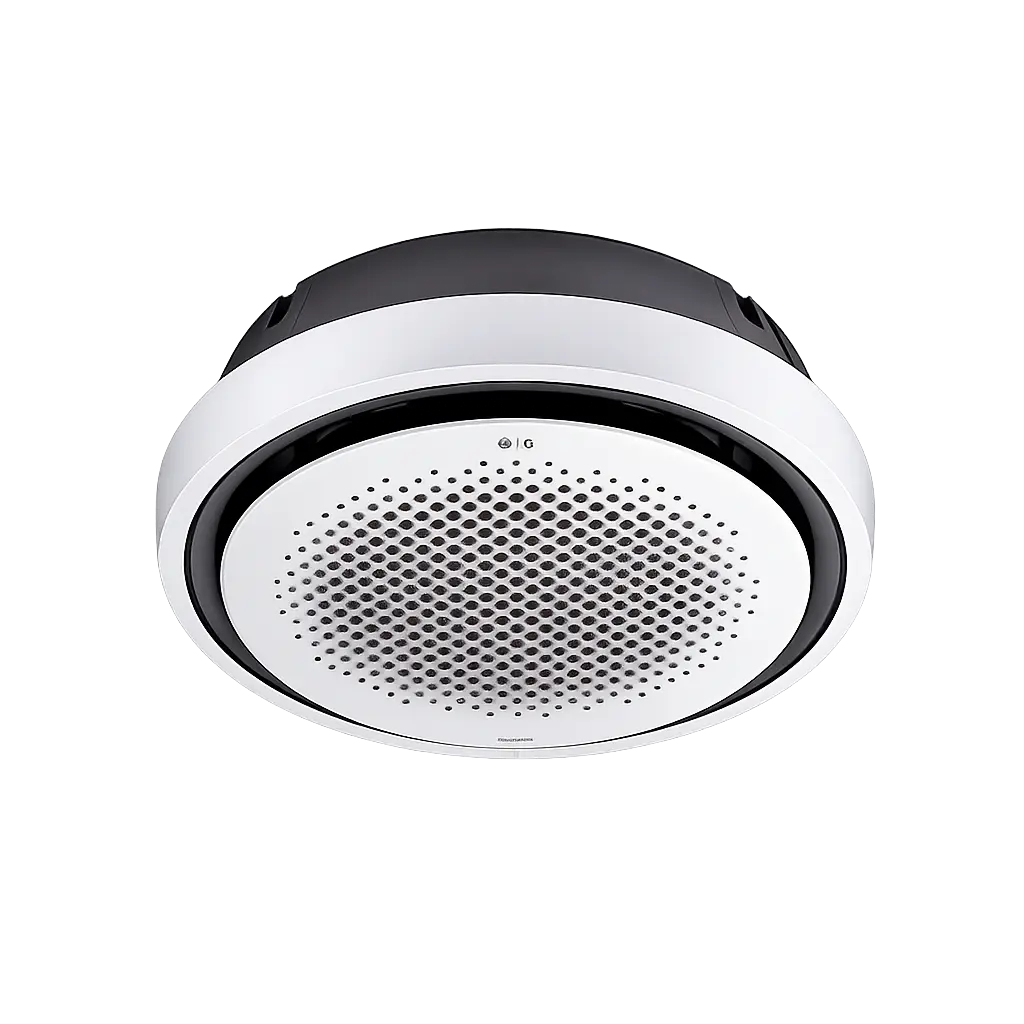
Split / Multi-Split / SkyAir Systems
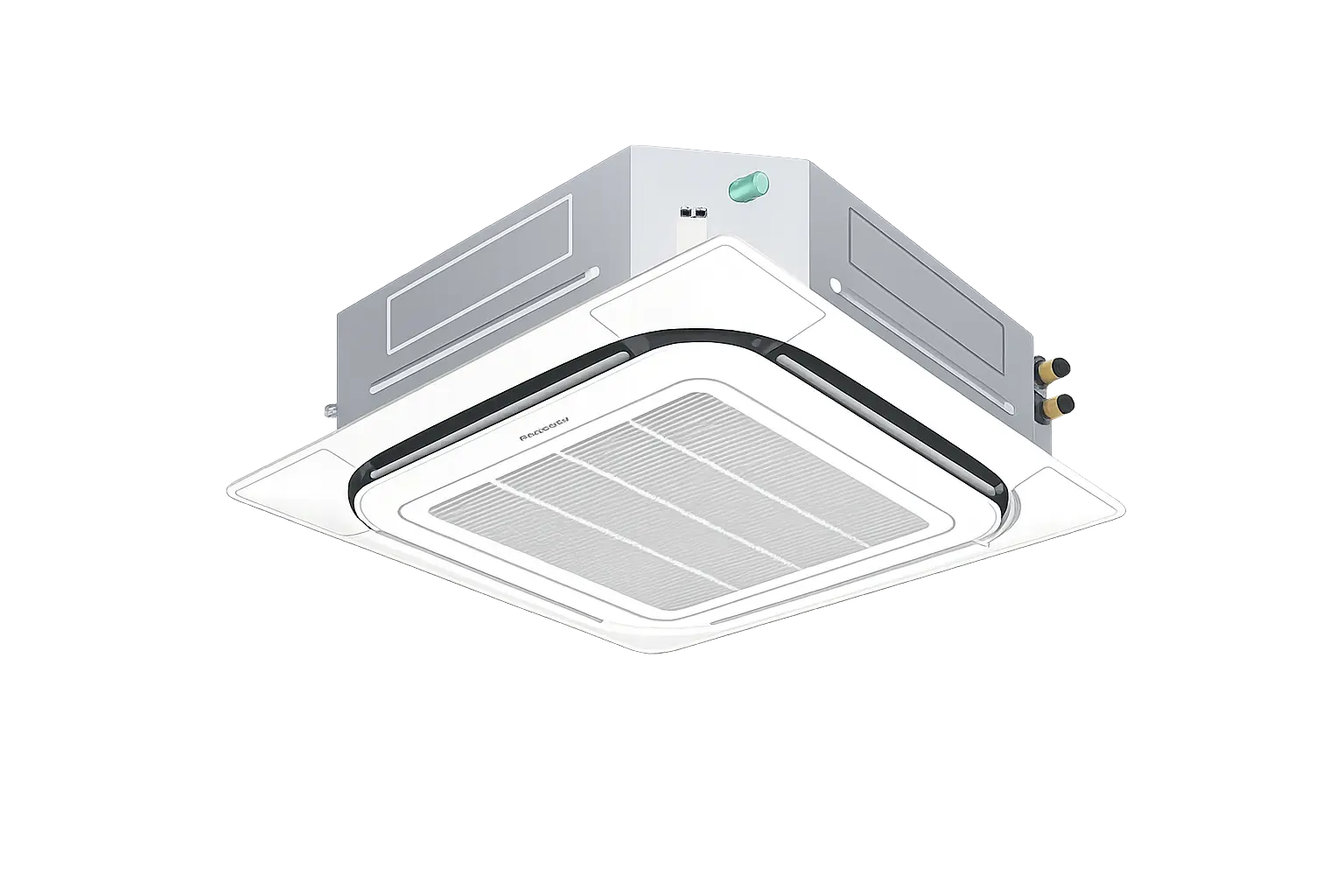
Split, Multi-Split, and SkyAir systems provide a flexible air-conditioning solution for small to medium-sized buildings, allowing individual spaces to be served without the extensive piping infrastructure required by larger central systems. They are well suited to small offices, showrooms, and retail chains where straightforward installation and a short project turnaround are key priorities.
Capacity range: 1 HP – 6 HP
Applications:Townhouses, shops, small offices
Selection criteria: Floor area & space layout | Number and location of indoor units | Energy efficiency: VNEEP rating (in accordance with TCVN) | Refrigerant: R-32 | Cost considerations: Initial investment & long-term operating costs.
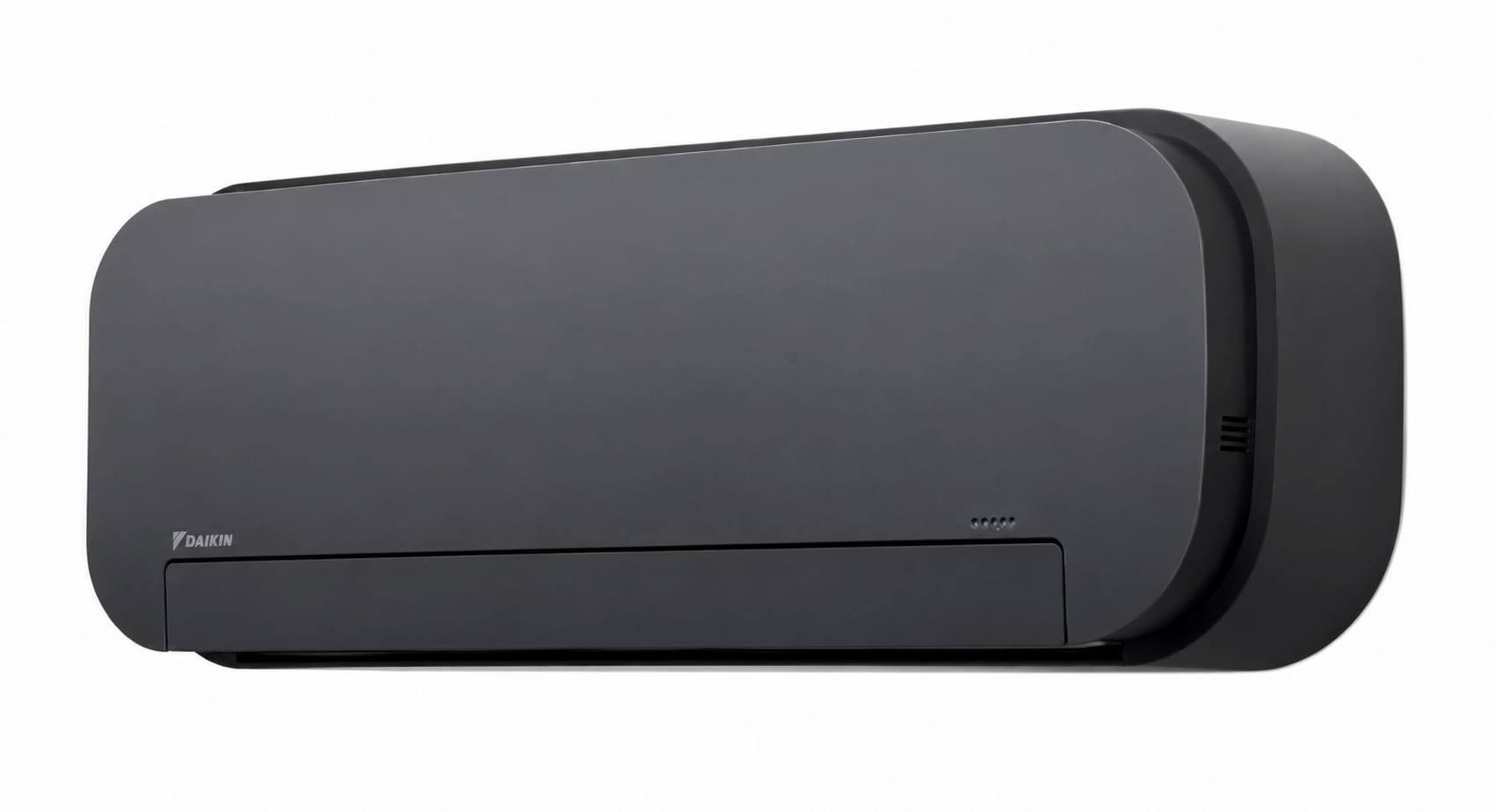
Room Air Conditioners
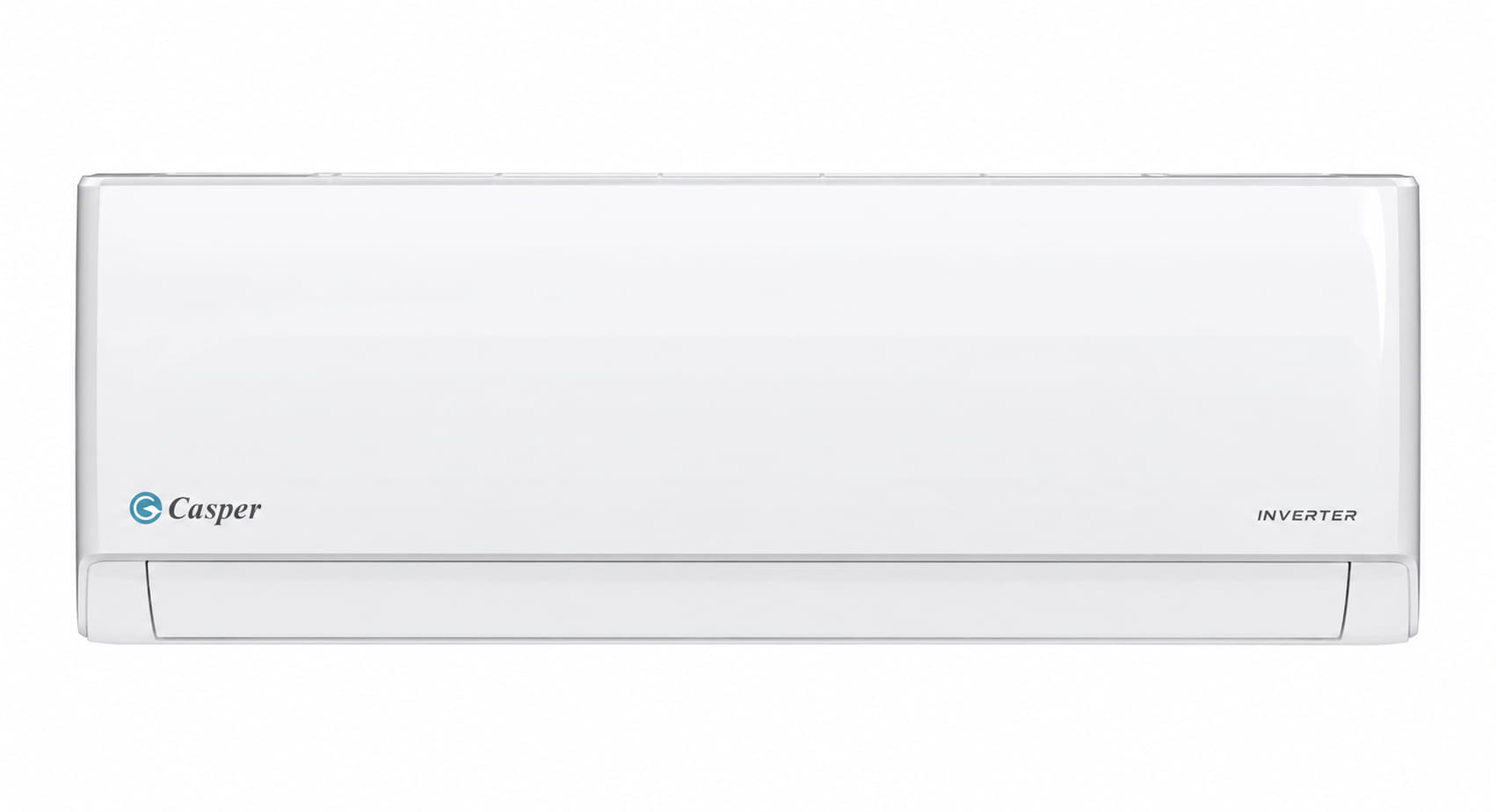
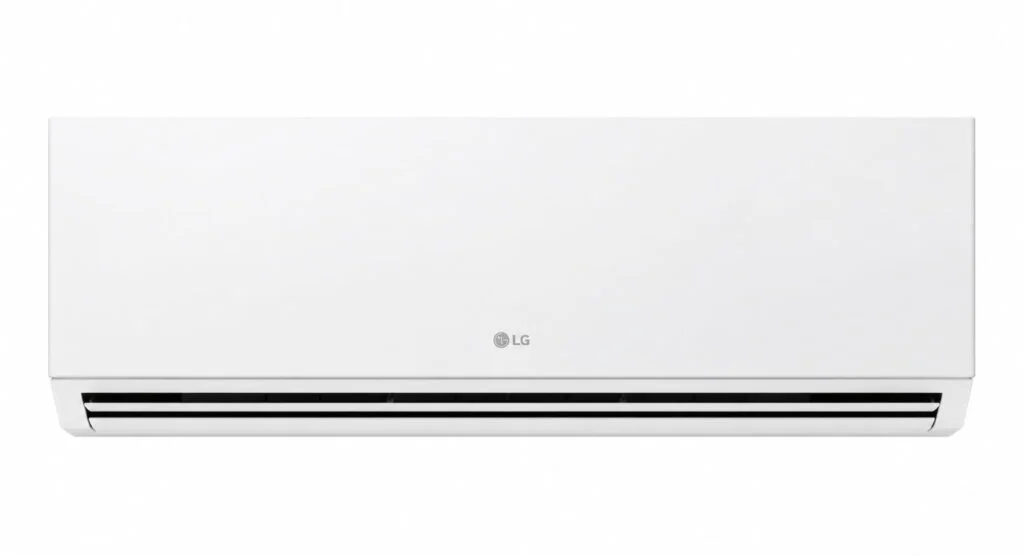
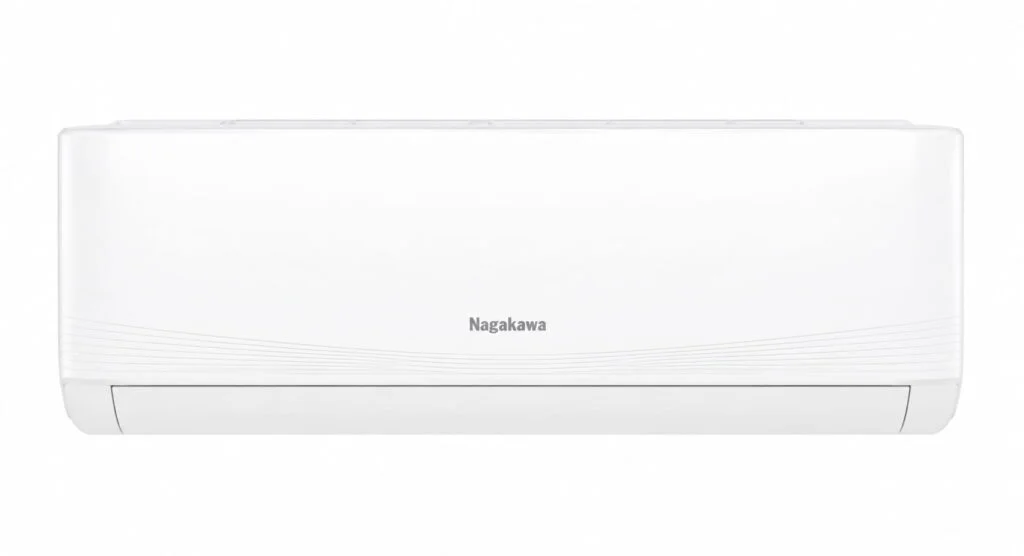
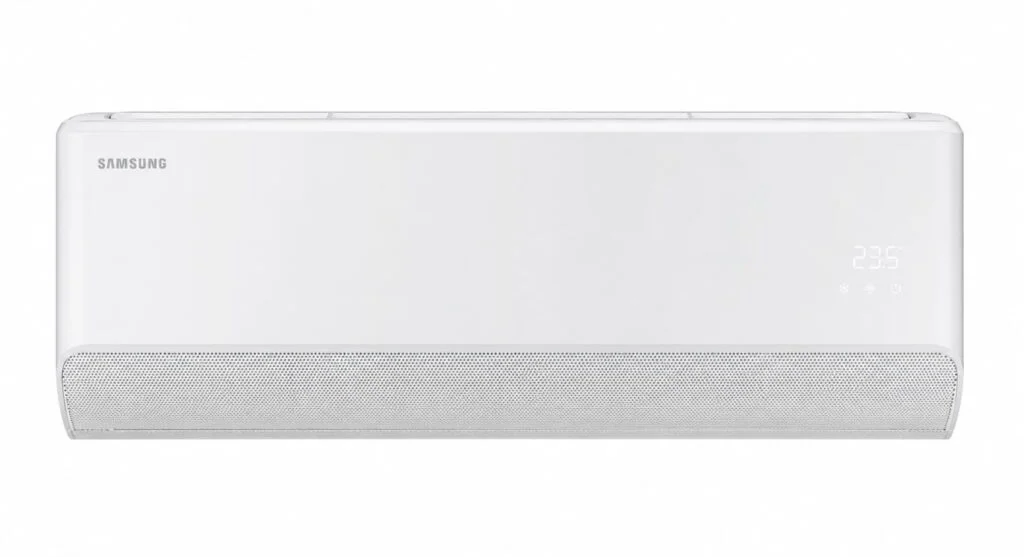
Room air conditioners provide straightforward cooling for individual spaces. While designed primarily for residential applications, selecting the right capacity and energy efficiency rating remains important for managing long-term operating costs across the building.
Capacity range: 1 HP – 3 HP
Applications: Houses, apartments, individual spaces
Selection criteria: Room size | Frequency of use | VNEEP 5-star energy rating (in accordance with TCVN 7830) | Refrigerant: R-32 | Inverter technology & energy-saving modes.
Ventilation & HVAC Components
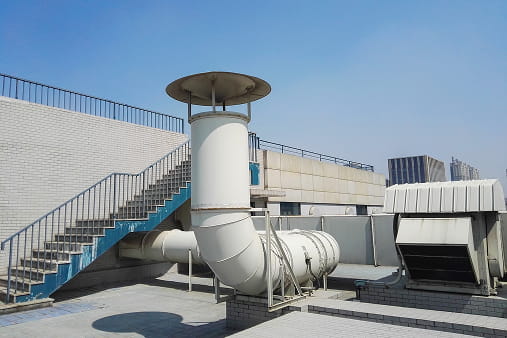
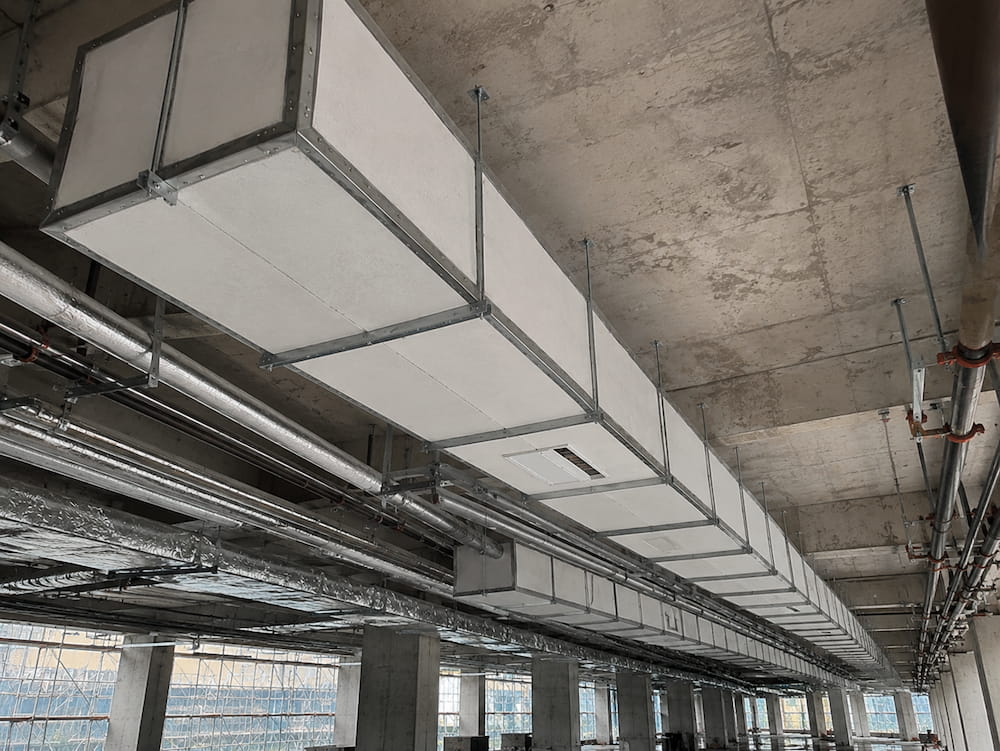
Ventilation systems play a critical role in maintaining indoor air quality, managing room pressure, and providing effective smoke control as part of an HVAC design that meets fire-safety requirements and applicable Vietnamese standards. From basements to industrial facilities, fan selection, system configuration, and smoke-extraction requirements are engineered around the required airflow rates and relevant design standards.
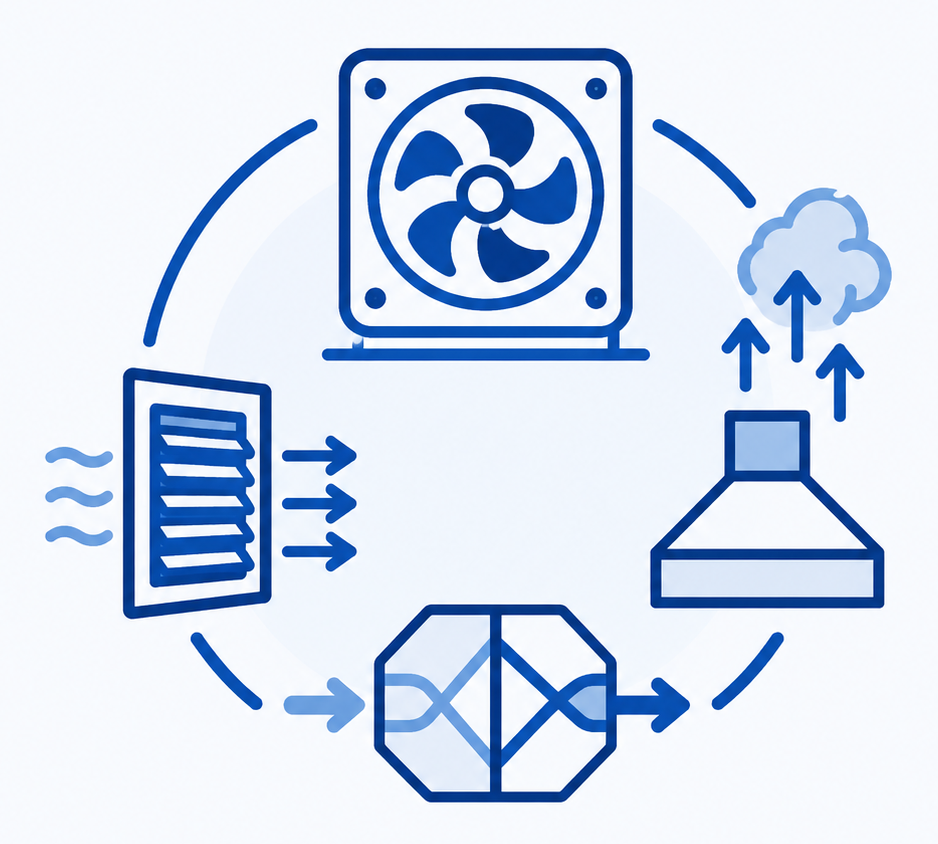
Scope: Supply & exhaust fans: Axial or centrifugal | Emergency pressurization & smoke-extraction systems | Fresh-air solutions: DOAS, ERV or HRV | Fresh-airflow calculations in accordance with fire-safety requirements and applicable TCVN standards | HVAC components: Ductwork, fire/smoke dampers (FD/VFD) & standard air terminals.
Applications: Factories, basements, commercial buildings, technical areas.
Selection criteria: Required airflow rate (CMH) | Static pressure (Pa) | Fire-safety standards: QCVN 06, TCVN 3890, AS 1668 or NFPA 92 | Specialized design: Positive/negative room-pressure control based on functional requirements.
Each project has its own specific cooling load, operating conditions, and technical standards. Therefore, equipment selection must be based on accurate design data, actual operating requirements, and the project’s long-term investment goals.
The Dong Sa Pa engineering team is always ready to advise on optimal configurations and provide complete catalogs and detailed technical specifications from leading international HVAC brands.
