
Air Conditioner Lifespan: 99% of Users Are Making This Harmful Mistake!
Is your air conditioner taking longer to cool the room after just a few years of use, running continuously without delivering sufficient cooling, while your electricity bills keep rising? Many people are quick to assume that the equipment is of poor quality or needs to be replaced.
Yet one of the factors that can shorten an air conditioner’s lifespan is a surprisingly common habit: waiting until something goes wrong before cleaning or servicing the system.
More importantly, an air conditioner may appear to operate normally even as dust and debris accumulate inside, gradually reducing its efficiency without obvious warning signs.
How does this habit affect air conditioner lifespan? And what can users do to maintain reliable performance, improve energy efficiency, and reduce the risk of breakdowns?
1. The Common Habit That Can Shorten Air Conditioner Lifespan
1.1. Neglecting Regular Air Conditioner Cleaning: A Small Oversight with Significant Consequences
When was the last time you cleaned your air conditioner?
Was it a month ago, six months ago, or has the system gone unchecked since it was installed?
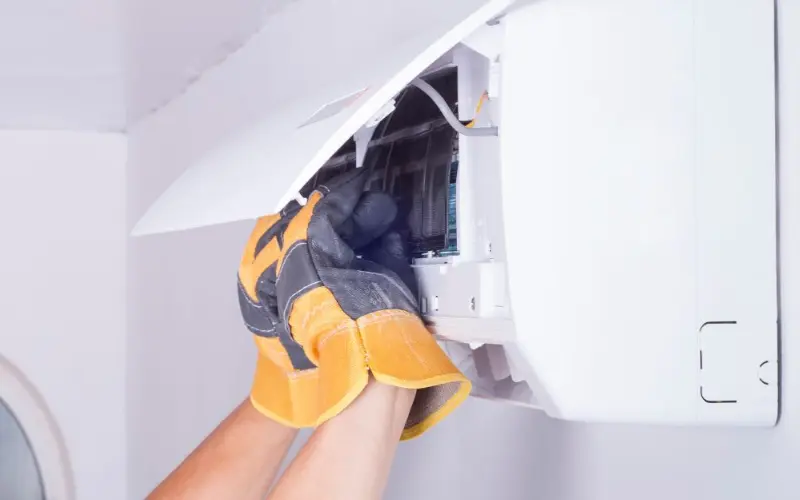
In many households, air conditioner cleaning only becomes a priority when the system stops cooling effectively, produces unpleasant odors, or begins leaking water.
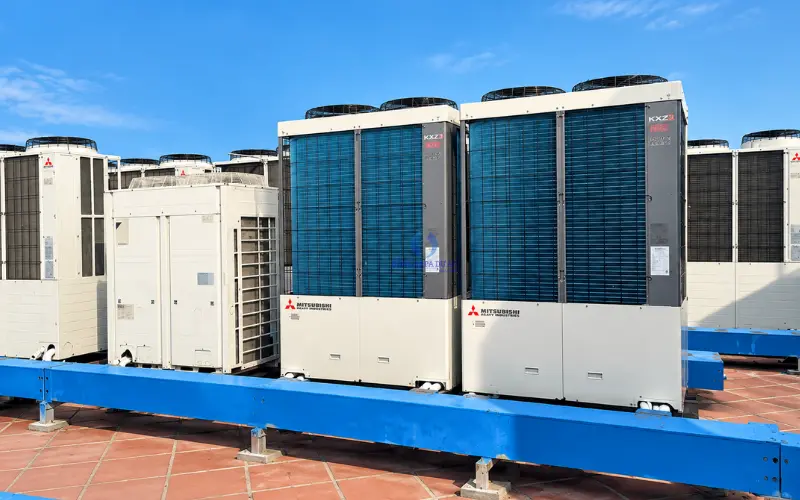
Meanwhile, dust and debris continue to accumulate on air filters, heat exchanger coils, and internal components. Outdoor units may also become clogged with dirt and leaves or have their airflow obstructed by surrounding objects.
Without proper cleaning, airflow and heat transfer performance may deteriorate, reducing overall system efficiency.
The real concern is not necessarily an immediate breakdown, but the gradual deterioration of equipment performance while users assume everything is functioning normally.
This is why regular air conditioner maintenance plays an important role in preserving system performance and extending equipment service life.
1.2. Why Do People Often Neglect Air Conditioner Maintenance?
A common assumption is: “If the air conditioner is still working fine, why does it need cleaning?”
Cooling performance often declines gradually, making the problem difficult to notice. Some users also postpone maintenance to save time or avoid service costs.
However, routine inspection costs are generally easier to plan and manage than unexpected repair expenses following an equipment failure.
2. How Can Dust and Dirt Reduce Air Conditioner Lifespan?
To understand how dust and dirt can affect air conditioner lifespan, it is important to examine how the system transfers heat during operation.
2.1. Dirty Air Filters and Indoor Coils Reduce Heat Transfer Efficiency
Air filters capture some of the airborne dust before air passes through the indoor cooling coil.
Over time, excessive dust buildup can restrict airflow. If the heat exchanger surfaces also become dirty, heat transfer performance may decline.
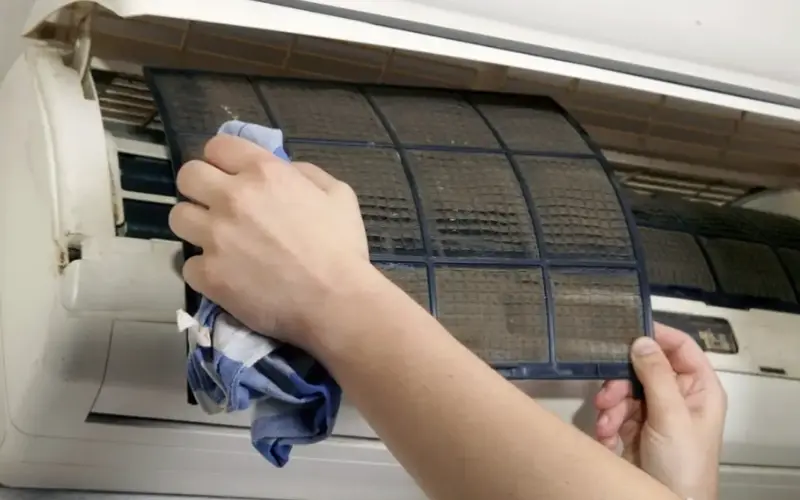
Imagine a fan operating with a thick piece of fabric covering its front. The fan continues to spin, but the amount of air it can deliver is significantly reduced.
A similar principle applies to air conditioning systems.
When airflow and heat transfer efficiency decline, the system may take longer to bring the room to the desired temperature.
Under certain conditions, excessively low airflow can also contribute to evaporator coil freezing, disrupting normal system operation.
2.2. Poor Outdoor Unit Heat Rejection Places Additional Stress on the System
While the indoor unit absorbs heat from the conditioned space, the outdoor unit rejects that heat to the surrounding environment.
When the condenser coil becomes heavily soiled or airflow around the outdoor unit is obstructed, its ability to reject heat decreases
Under certain operating conditions, condensing temperature and pressure may rise, forcing the compressor to operate under less favorable conditions.
If these conditions persist, the system may experience overheating, protective shutdowns, or an increased risk of equipment failure.
A dirty outdoor unit does not necessarily mean the compressor will fail. Nevertheless, maintaining effective heat rejection is essential to protecting air conditioner lifespan.
2.3. What Problems Can a Blocked Condensate Drain Cause?
Another frequently overlooked component is the condensate drain pan and drainage piping.
Over time, accumulated dirt, sediment, and biological slime can block the drainage system, causing condensate to overflow.
In concealed ceiling-mounted air conditioning systems, such leaks can stain gypsum board ceilings, damage interior finishes, and result in additional repair costs.
Persistent moisture can also create conditions that encourage mold growth and unpleasant odors.
3. Four Consequences of Neglecting Air Conditioner Maintenance
3.1. Higher Electricity Consumption Without Adequate Cooling
This is one of the most frustrating problems for air conditioner users.
The air conditioner continues running, but the room takes much longer to reach a comfortable temperature. In response, users may lower the thermostat setting even further, hoping to cool the space more quickly.
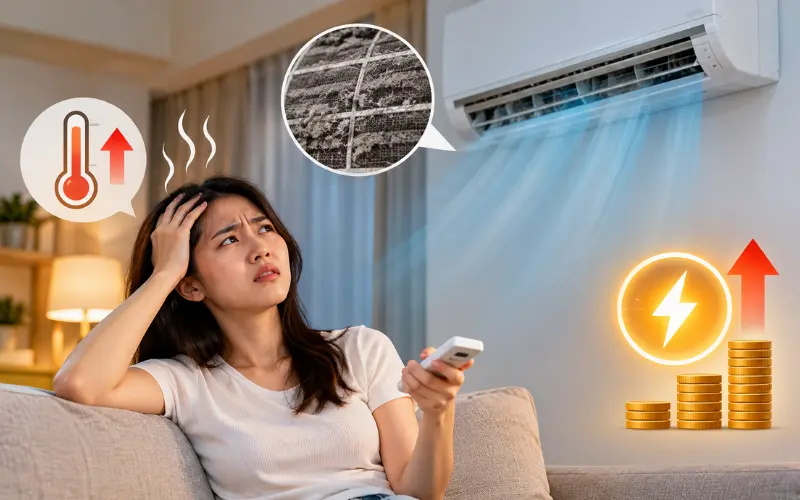
However, if the underlying problem is a clogged air filter or reduced heat transfer performance, lowering the temperature setting will not resolve it.
Depending on the equipment type and operating conditions, longer operating hours may result in increased electricity consumption.
3.2. Increased Risk of Component Failure
Compressors, fans, sensors, and other components all require suitable operating conditions.
When the system repeatedly operates under unfavorable conditions, the likelihood of component faults may increase.
This is one of several factors that can contribute to premature air conditioner failure, alongside installation defects, power supply problems, and component quality issues.
3.3. Unexpected Repair Costs
A minor issue that goes undetected may develop into a more complex equipment problem.
Beyond repair expenses, users may also face interruptions to cooling services.
In offices, retail stores, and restaurants, an air conditioning failure during peak operating hours can directly affect customer experience and business operations.
3.4. Deteriorating Indoor Air Quality
Dust accumulation on air filters and indoor coils, combined with persistent moisture, can contribute to unpleasant odors.
Restricted airflow can also reduce thermal comfort.
Therefore, regular cleaning is important not only for maintaining air conditioner lifespan but also for supporting a more comfortable indoor environment
4. Five Practical Ways to Extend Air Conditioner Lifespan
The good news is that you do not need to wait for a breakdown before taking care of your air conditioning system
Here are five practical ways to extend air conditioner lifespan through proper use and maintenance.
4.1. Clean Air Filters Regularly
Under typical operating conditions, air filters may be inspected and cleaned approximately every 2–4 weeks, depending on the environment and manufacturer recommendations.
Before cleaning, disconnect the power supply, remove the filter according to the manufacturer’s instructions, clean it, and allow it to dry completely before reinstalling it.
Do not attempt to dismantle electrical components, refrigerant piping, or other specialized system parts without appropriate technical expertise.
4.2. Schedule Maintenance Based on Operating Conditions
Cleaning air filters is only one part of proper air conditioner maintenance.
Qualified technicians should also inspect heat exchanger coils, fans, condensate drainage systems, electrical conditions, and relevant operating parameters as needed.
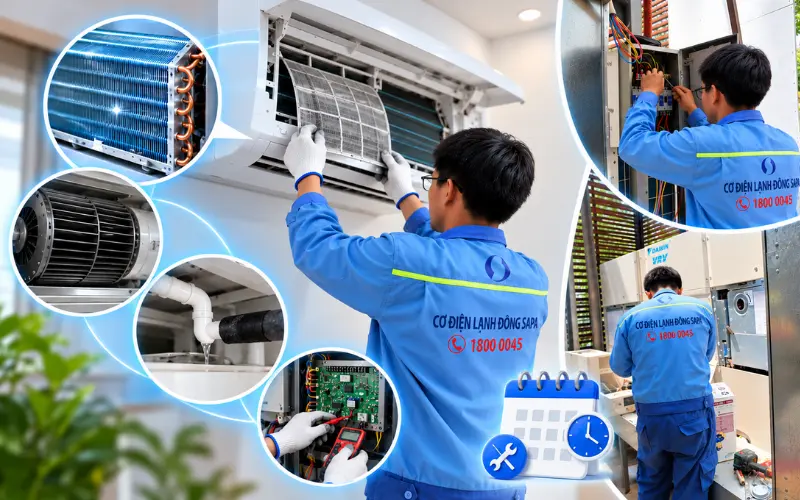
For residential systems used regularly, professional inspections may be considered every 6–12 months. Systems operating continuously or in dusty environments may require more frequent maintenance.
Timely maintenance helps extend air conditioner service life and reduce the likelihood of unexpected problems.
4.3. Maintain Reasonable Temperature Settings
Setting an air conditioner to 16°C does not necessarily make the room cool down faster.
A temperature setting of 26–28°C may be a suitable starting point where indoor conditions and comfort preferences allow. Using a fan can also help improve air circulation.
Avoid maintaining unnecessarily low temperature settings to reduce excessive energy consumption.
4.4. Keep the Outdoor Unit Well Ventilated
The outdoor unit requires adequate clearance for air intake and discharge to ensure effective heat rejection.
Avoid placing objects that obstruct the outdoor unit, and maintain the clearances specified in the manufacturer’s installation instructions.
In particular, never direct high-pressure water jets at circuit boards or electrical components.
4.5. Identify and Address Warning Signs Early
Do not ignore warning signs such as:
- Poor cooling performance even after the air filter has been cleaned..
- Unusual noises or excessive vibration.
- Water leakage or unusual odors.
- Frequent error codes or unexpected shutdowns.
If there are signs of an electrical safety hazard, stop using the system and contact a qualified technician.
Early problem detection is one of the most practical ways to protect air conditioner lifespan.
5. Early problem detection is one of the most practical ways to protect air conditioner lifespan?
There is no single maintenance schedule suitable for every air conditioning system.
Inspection frequency should be determined by the installation environment, operating hours, actual equipment condition, and manufacturer recommendations.
|
Operating Conditions |
Suggested Professional Inspection Frequency |
|
Residential use in low-dust environments |
Every 6–12 months |
|
Offices with daily operation |
Every 3–6 months |
|
Restaurants, retail stores, and dusty environments |
Every 3–6 months or more frequently |
|
Commercial VRV/VRF systems |
According to the maintenance plan and manufacturer guidelines |
*** Note: These intervals are provided for general guidance only. Air filters typically require more frequent inspection and cleaning. For buildings equipped with central air conditioning systems, maintenance should be coordinated across the entire system to maintain performance and operational reliability.
6. When Should You Call a Professional Air Conditioning Technician?
If your air conditioner has not been serviced for an extended period, delivers inadequate cooling, frequently displays error codes, leaks water, or produces unusual noises, it is advisable to arrange a professional inspection.
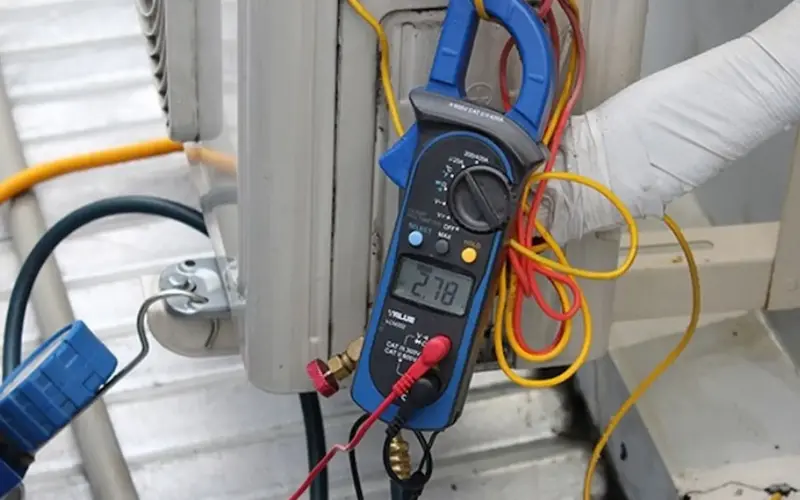
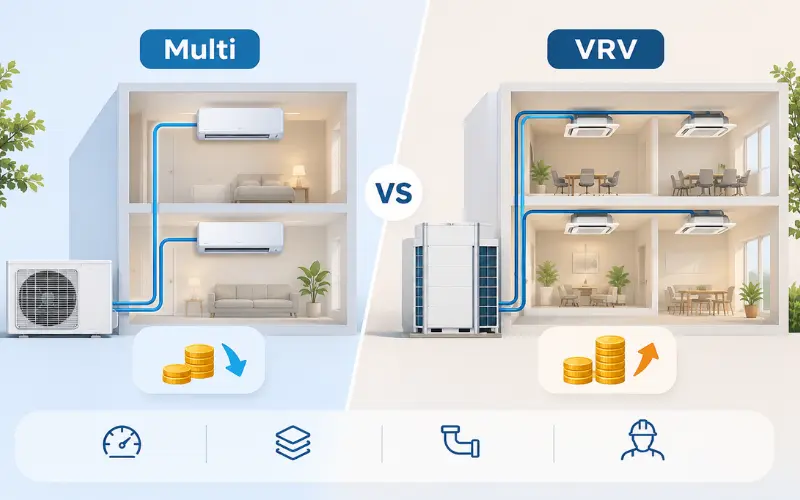
Systems with multiple indoor units, VRV/VRF configurations, and commercial air conditioning installations require appropriate system-level assessments rather than simply cleaning individual units.
>>> READ MORE: Central Air Conditioning Maintenance: How Often Is It Needed?
With experience in HVAC consulting, design, installation, and maintenance, Dong SaPa provides technical solutions tailored to the operating requirements of each project, with the aim of delivering reliable performance and long-term value for customers.
7. Conclusion: Don’t Let a Common Habit Shorten Air Conditioner Lifespan
An air conditioner does not have to break down before it deserves attention.
Neglecting cleaning and maintenance over extended periods can reduce system efficiency, increase the risk of breakdowns, and shorten air conditioner lifespan.
Don’t wait until your air conditioner stops cooling effectively before considering maintenance. Proactive inspections are a practical way to maintain performance and protect your investment.
For professional advice on air conditioning system design, installation, and maintenance, contact Dong SaPa at 0988 200 200.
8. Frequently Asked Questions About Air Conditioner Lifespan
8.1. How Often Should an Air Conditioner Be Cleaned?
Under normal operating conditions, air filters may be inspected and cleaned approximately every 2–4 weeks. More comprehensive maintenance intervals depend on usage frequency, environmental conditions, and manufacturer recommendations.
8.2. Can a Dirty Air Conditioner Increase Electricity Consumption?
Yes, it can. When dust and dirt restrict airflow and reduce heat transfer efficiency, the air conditioner may need to operate longer to reach the desired temperature, potentially increasing electricity consumption.
8.3. Can Neglecting Air Conditioner Cleaning Damage the Compressor?
Not necessarily. However, poor heat rejection at the outdoor unit or abnormal airflow conditions can create unfavorable operating conditions, increasing the risk of overheating, protective shutdowns, and reduced equipment durability.
EAST SAPA ENGINEERING CORPORATION
- Showroom: 456/72 Cao Thang Street (Extended), Hoa Hung Ward, Ho Chi Minh City, Vietnam.
- 24/7 Project Hotline: 0988 200 200 (Mr. Vinh)
- Email: quangvinh@dongsapa.com.vn
- Website: dongsapa.com.vn
Other news